Goals that matter
Start with the person’s daily-life priorities rather than treating a device or exercise as the end goal.
Community-centred disability inclusion across health, education, livelihood, empowerment and participation.
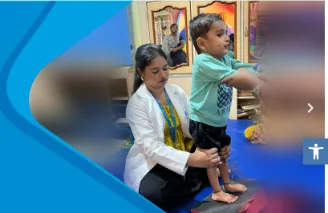
Community-centred disability inclusion across health, education, livelihood, empowerment and participation. CBID links disability inclusion with community systems such as health, education, livelihood, social participation and empowerment.
Share the need, diagnosis/context if relevant, and the main functional concern.
Understand the person, goals, environment and relevant clinical or technical factors.
Agree on realistic goals, intervention or assistive-technology options, training and expected follow-up.
Deliver therapy, device/service support or community intervention within appropriate scope.
Evaluate outcomes, fit/function, participation and any need for adjustment or referral.
Start with the person’s daily-life priorities rather than treating a device or exercise as the end goal.
Consider home, school/work, community, transport, caregiver support and environmental barriers.
Explain options, benefits, limitations, responsibilities and follow-up so users can participate meaningfully.
Look beyond impairment to mobility, self-care, education, work, social participation and independence.
Users and caregivers may need practical instruction for safe use, maintenance or home/community strategies.
Use follow-up to understand whether the intervention is actually helping the person reach agreed goals.
You are unsure which rehabilitation or assistive-technology service fits the current need.
Fit, comfort, function, positioning, maintenance or changing needs may require professional review.
You want to understand current therapy, mobility or participation-focused service options.
You are exploring referral pathways, training or collaboration around rehabilitation and assistive technology.
Seeing how rehabilitation goals, clinical reasoning, assistive technology and community participation connect can help you understand why P&O and wheelchair-service education requires both technical and human-centred competencies.
BPO →MPO →Wheelchair Service Training →Clinical learning guide →
Community Based Inclusive Development (CBID) is presented here as part of Mobility India’s rehabilitation and inclusion ecosystem, with person-centred goals, function and participation at the centre.
Individuals, families, rehabilitation professionals, organisations or community stakeholders can enquire. Suitability and referral requirements should be confirmed for the specific service.
Service processes can vary. Contact Mobility India before visiting to confirm appointment, referral, assessment and document requirements.
Assessment generally aims to understand the person, goals, functional needs, environment and relevant clinical/technical factors. Exact procedures vary by service.
Not always. Assistive technology is considered when it can support function, mobility, positioning, communication, daily activity or participation.
Good rehabilitation practice is person-centred: goals should reflect what matters to the user while considering safety, clinical findings, environment and available options.
Family and caregiver participation can be important in rehabilitation, training, home programmes and follow-up depending on the service and user preference.
Yes. Fit, comfort, function, changing needs, maintenance and outcomes may require review after initial service delivery.
Education and rehabilitation are closely connected at Mobility India. Ask admissions about the current course-specific clinical/field exposure and supervision arrangements.
Use the portal enquiry form, email admission@mobilityindia.org or call +91 98442 90390.